By The Anchor Writer
A group, clad in uniforms bearing the Machakos County logo, has sparked outrage among matatu operators and the general public, following allegations of illegal levies collection in bus parks across the county.
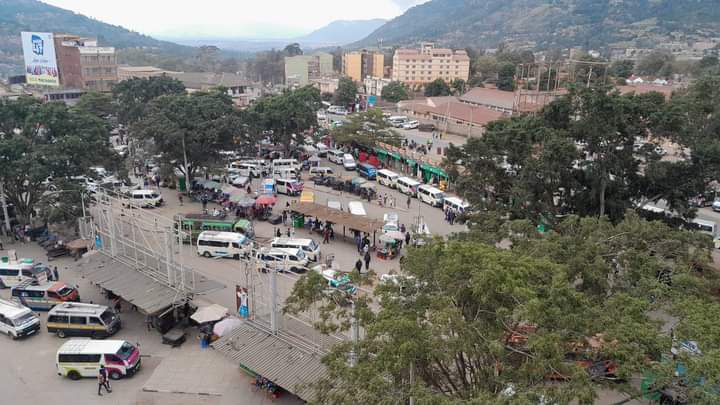
The group, believed to be members of the Machakos Matatu Operators Association (MAMOA), collects Kes 50.00 from over 3,000 PSV vehicles that ply through the Machakos Bus Park.
The cash is approximately Kes 4.5m per month and is believed to be going into the pockets of not just sacco bosses but also top officials of the county government.
Matters came to a head when County Secretary Dr Muya Ndambuki chaired a stormy meeting between Sacco officials and the County Department of Roads,Transport and Public Works officials. The minister Ms. Rita Ndunda attended.
Shortly after the meeting, letters from both the department and the matatu group flew around accusing each other of illegalities.
Both letters are dated November 13, meaning the meeting with the CS did not resolve anything.
Curiously, the Sacco is calling for a general strike, seemingly to force the removal of the Roads, Transport, and Public Works Minister Ms Rita Ndunge.
Insiders see the hand of county bosses who benefit from the daily collection that Rita has demanded an end to, telling the Sacco to leave the buspark to be managed by the county government.
The county administration is enduring a surge in complaints about MAMOA’s activities as other operators fight for their space to work from.
Operators accuse the group of forcefully collecting levies, even from those who are not members of the association. According to sources, this has led to confusion and resentment, as only registered Saccos are authorized to collect such fees.
Critics argue that these actions have created an unregulated environment ripe for the emergence of cartels, threatening the integrity of public transport operations in the county. “The existence of unstructured levy collection undermines the legitimate frameworks that govern public transport operations,” one operator lamented.
Another contentious issue is the group’s use of uniforms bearing the county’s logo. Legal experts and county officials have pointed out that this practice is unauthorized and illegal, as MAMOA employees are not part of the county administration. “Such attire gives a false impression of government endorsement, which is both misleading and inappropriate,” said a senior county official.
Beyond levy collection, MAMOA’s alleged dominance in bus parks and on major roads has raised concerns about fairness in the transport sector. Operators of other modes of public transport, such as Marutis, tuk-tuks, and boda bodas, have called for a level playing field, emphasizing the need for inclusivity and impartiality in managing the county’s transport network.
In light of the escalating tensions, several recommendations have been proposed to restore order and ensure fairness. Observers have urged MAMOA to confine its activities to its core objectives and avoid encroaching on duties meant for legally established authorities. Moreover, stakeholders are calling for stricter enforcement to prevent the use of county insignia by unauthorized groups.
As the situation unfolds, the spotlight remains on Machakos County’s leadership to address the growing concerns and protect the interests of all stakeholders in the transport sector. For now, the debate over MAMOA’s role continues to underscore the challenges of balancing regulation, equity, and order in a critical industry.
Leave a Reply