By Martin Masai,
EDITOR/ PUBLISHER- The Anchor
ANALYSIS
Machakos Doctors’ Strike: A Wake-Up Call for County Leadership
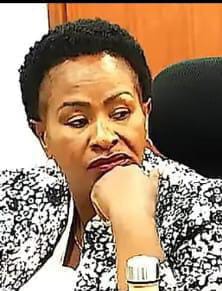
The resolution of the 60-day doctors’ strike in Machakos County has cast a harsh light on the county government’s mismanagement and neglect of its healthcare workforce.
The eight agreements reached between Governor Wavinya Ndeti’s administration and the striking doctors reveal systemic failures that have not only jeopardized the welfare of healthcare professionals but also disrupted essential services for residents.
Among the commitments made by the county government is the scheduling of interviews for the promotion of 34 doctors in Job Groups Q, R, and S.
This step addresses long-standing grievances about stalled career progression. Additionally, the administration pledged to clear salary arrears arising from delayed promotions by the next financial year.
However, these overdue measures highlight years of neglect in managing one of the most critical professional groups in the county.
Another major agreement involves revising the health department’s staffing establishment starting April 28, 2025. This revision aims to ensure that requested positions are both included in the staffing framework and adequately budgeted for—a glaring admission of poor planning in a sector that directly impacts public health.
The government also committed to paying statutory and non-statutory deductions on time, specifically before the 5th of each month, and to sourcing comprehensive medical insurance for doctors in collaboration with the national government.
Both commitments address grievances that should never have arisen in the first place, reflecting a lack of basic administrative efficiency for Wavinya, her Public Service Board and all who purport to serve the people of Machakos County.
Perhaps most significantly, the administration promised to fully implement the Return-to-Work Formula (RTWF) agreed upon in May 2024. This includes the annual release of doctors for postgraduate studies, a critical step in professional development. Furthermore, the government agreed to a non-victimization clause, which involves halting disciplinary proceedings, salary stoppages, transfers, demotions, suspensions, and terminations related to the strike.
These agreements, signed by County Secretary Dr. Muya Ndambuki, Public Service Board Chair Urbanus Mutisya, Health Minister Justus Kasivu, and representatives of the Kenya Medical Practitioners, Pharmacists and Dentists Union (KMPDU), place the full burden of responsibility on the county government. This clearly indicates that the administration’s failures were the root cause of the strike, and it is time Wavinya takes full responsibility of the strike, including suffering, deaths, and turmoil experienced.
The implications of these failures are far-reaching. Delayed promotions, unpaid salary arrears, and inadequate medical cover are not just administrative oversights—they represent a disregard for the well-being of healthcare workers and, by extension, the residents who depend on their services.
The strike disrupted healthcare delivery across the county, leaving vulnerable populations without access to essential care.
While the agreements signal a willingness to address these issues, they also expose years of mismanagement and inefficiency.
The real challenge now lies in implementing these commitments. The administration must act swiftly and transparently, ensuring that its promises are not just words on paper but tangible actions that improve working conditions for doctors and healthcare outcomes for residents.
Governor Ndeti’s administration faces a critical test of its leadership and credibility. Rebuilding trust with healthcare workers and the public will require more than just fulfilling these agreements—it will demand a sustained commitment to proactive planning, efficient management, and prioritization of the health sector.
The doctors’ strike in Machakos County is a stark reminder of the consequences of neglecting key professionals in critical sectors. Whether this marks the beginning of meaningful reform or another chapter of unfulfilled promises remains to be seen.
For the sake of Machakos residents and its healthcare system, the government cannot afford to fail.
Leave a Reply