Fate of Former Makueni Fruit CEO Hangs in the Balance After Assembly’s Scathing Mango Probe
By Daniel Mutinda
The fate of the former Chief Executive Officer of the Makueni County Fruit Development and Marketing Authority now hangs in the balance after the Makueni County Assembly adopted a blistering Joint PIC/PAC report that laid bare what lawmakers termed systemic failure, procurement breaches and administrative negligence in the county’s mango value chain.
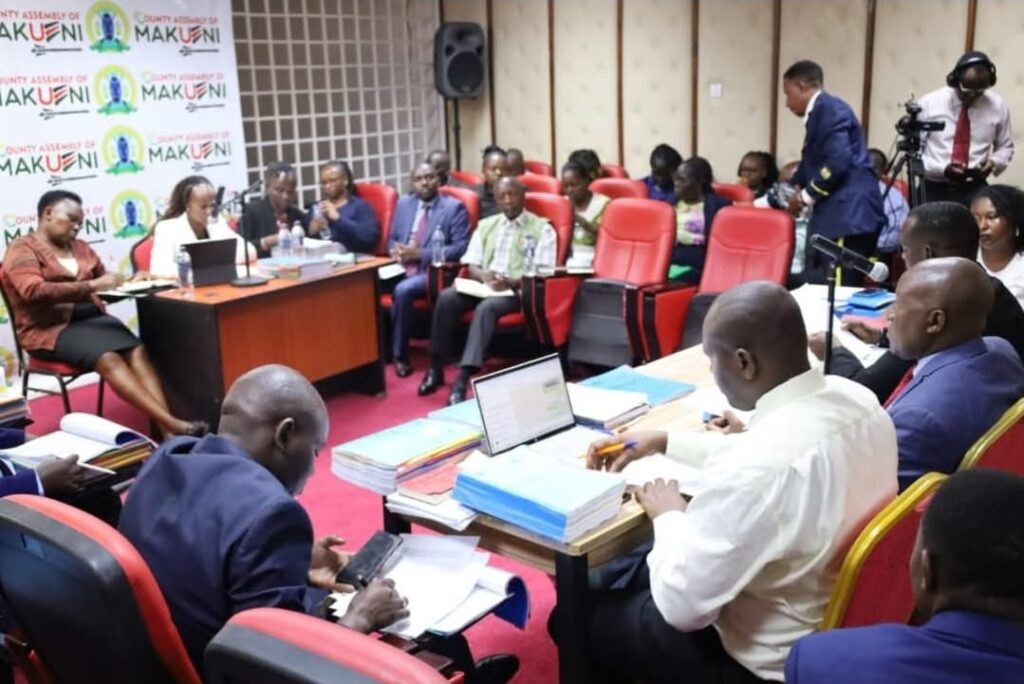
The explosive report, tabled by Masongaleni MCA Bryan Nzoka and passed by the House, delivers what could become the most consequential accountability moment in the history of the Makueni Fruit Processing Plant.
At the centre of the storm is former CEO Joseph Kioko, whom the committee found culpable for failing to secure the Authority’s operational and financial autonomy as required under the 2017 Act that established it.
The report cites unauthorized use of a government vehicle, failure to address critical infrastructure gaps including cold storage, and broader managerial lapses that left the processing plant operating far below capacity — despite more than Sh110 million in public and donor investment in the sector.
The Assembly has demanded strict disciplinary action against the former CEO and any other officers found responsible. But the probe did not stop at one office.
A Web of Institutional Failure
The investigation exposed what MCAs described as a chain of dysfunction stretching across departments and affiliated entities.
Procurement of certain SACCOs and CBOs was found to have breached the Public Procurement and Asset Disposal Act, 2015, lacking transparency and competitiveness.
The findings place procurement processes and supervisory officers under scrutiny, widening the circle of accountability beyond the Authority’s leadership.
To seal the loopholes, the Assembly has recommended binding stakeholder agreements in all future engagements — complete with legal consequences for breach — effectively warning non-compliant entities that exclusion from the value chain is now a real possibility.
Agriculture Department Under Fire
The Department of Agriculture was equally censured for failing in its oversight role. Lawmakers found that farmer grievances were neglected and that the absence of a credible, verified farmer database created space for middlemen to dominate pricing and deliveries.
The Assembly has now ordered the immediate operationalisation of direct farmer deliveries and the establishment of a verified farmer register — reforms intended to dismantle the entrenched middleman system that has left growers vulnerable.
Legislative Overhaul on the Table
In what could mark a structural turning point, the Assembly signalled plans to amend the MCFDMA Act to allow the Authority to retain internally generated revenue. Legislators argued that financial dependency has weakened institutional independence and transparency.
If passed, the amendment would fundamentally alter the Authority’s financial architecture.
Speaker Sends a Warning
As debate concluded, Speaker Douglas Mbilu directed that the adopted report be transmitted without delay to the Governor Mutula Kilonzo Jr. , Deputy Governor, the County Executive Committee Member for Agriculture and all Agricultural Extension Officers for immediate implementation.
While clarifying that the Assembly is not in a political contest with the Executive, the Speaker warned that any attacks or threats against MCAs for executing their oversight mandate would not be tolerated.
The message was unmistakable: public office comes with public accountability.
For thousands of mango farmers who have endured delayed payments and shrinking market access, the Assembly’s action signals a decisive shift.
Whether the former CEO’s fate results in sanctions — and whether deeper reforms take root — now rests with the Executive’s response.
The action by the county assembly means that the mango sector is no longer insulated from scrutiny, and the cost of failure has just risen dramatically.
Stay Anchored