By Martin Masai
Machakos County has been thrown into literal and administrative darkness for over a month now as the Kenya Power and Lighting Company cut supply to all county offices over unpaid bills standing at a staggering Kes 156 million.
The blackout, leaves a trail of exposed failures in financial planning, governance, and accountability across the devolved unit- yet no one is explaining. County Secretary Dr. Muya Ndambuki did not answer a call from The Anchor and neither did he reply SMS message over the matter.
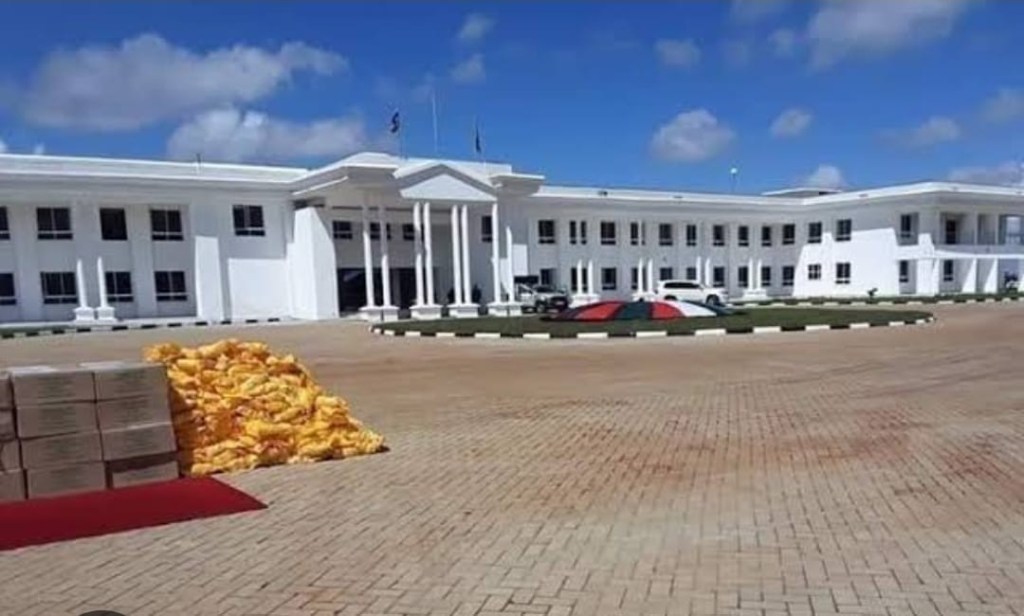
Governor Wavinya Ndeti’s office at the iconic White House complex is equally in total blackout. The County Secretary’s office at the County Headquarters is in darkness. Hospitals are largely in darkness though sporadic generator power keeps them going.
All municipalities Machakos, Mavoko and Kangundo-Matungulu endure pitch darkness after street lights were switched off, making them vulnerable.
Residents long used to lit streets are now seen using mobile phone flash lights at bus stops to flag down public transportation.
Small towns served by luminous Mulika Mwizi towers are not spared and CCTV surveillance systems have collapsed.
What is left are towns at the mercy of criminals, shadowed alleys, and unlit streets that shout one thing: a failing devolved structure.
At People’s Park, once the showpiece of Machakos, the darkness is both symbolic and literal. Management cannot afford diesel to power the standby generator and scrap metal dealers and thieves are making bee lines to pull down any metallic object.
Water production points at Maruba Dam managed by Machakos Water Company — heavily dependent on electricity — have luckily escaped the shame since they pay own bills, however intermittently.
Inside the Finance department at County Headquarters, the situation is dire.They survive on 20 litres of fuel a day to keep computers,if not revenue collections running. That is the House of Accounts — the nerve centre of county revenue and expenditure — operating on generator fumes, struggling to reconcile figures in a county drowning in debt.
Equipment that require constant power — servers, and critical IT infrastructure supplies, document preservation systems — lie dangerously vulnerable. Records are at risk. Systems are crashing. The county is drifting.
And yet, the approved annual budget set aside only Kes 23 million for power — a figure so unrealistic it borders on fiction. Kenya Power is now demanding a credible payment plan, supported by a budget line that can actually deliver.
What the county has offered so far remains unclear. What is clear is that the lights will not come back on until someone, somewhere, confronts the truth.
But the darkest irony sits elsewhere.
As the blackout deepened, a continental organisation was crowning Governor Wavinya Ndeti among Africa’s Top 100 Women Leaders.
It is an award wrapped in glitter but delivered against a backdrop of uncollected garbage, unpaid power bills, unpaid salaries, unpaid statutory deductions, and a health system collapsing under persistent doctor and nurse strikes.
In the county where Wavinya is celebrated with multiple awards for leadership, workers have not seen remittances to NSSF and NHIF/ SHIF for years. Service delivery has limped from crisis to crisis.
A source at the County Treasury put pending bills at Kes 7b, up from Kes 2.1 b inherited from two terms of Governor Alfred Mutua.
The County Assembly keeps demanding answers that never appear. Only this week, the assembly returned to the Executive various questions on accountability that require answers.What exactly was Wavinya being awarded for ?
And more urgently — who is paying for these awards?
As Machakos gropes in the dark, the symbolism is too loud to ignore. A county cannot run on titles, continental trophies, glossy party rendezvous, campaign stunts and public relations wizardry.
It runs on human resource, electricity, salaries, water, accountability, and priority-setting.
Much as KPLC has switched off the lights, the County administration cannot switch off public scrutiny.
If the county leadership seeks applause, Machakos residents demand answers first — when will the county pay its power bill? When will it meet its obligations to workers? When will it fulfil agreements with health workers? When will statutory deductions be remitted? When will the county clear the pending bills, when will it deposit money it deducts from staff sacco and bank loans, will the county stop governing through crisis?
Until then, the blackout in Machakos remains more than a power issue. It is a metaphor — a county engulfed in darkness, brought there not by Kenya Power, but by the failures of its own government.
Stay Anchored
Www.theanchormedia.org


 The Anchor
Leave a comment